Prison Education Psychology and Why It Matters
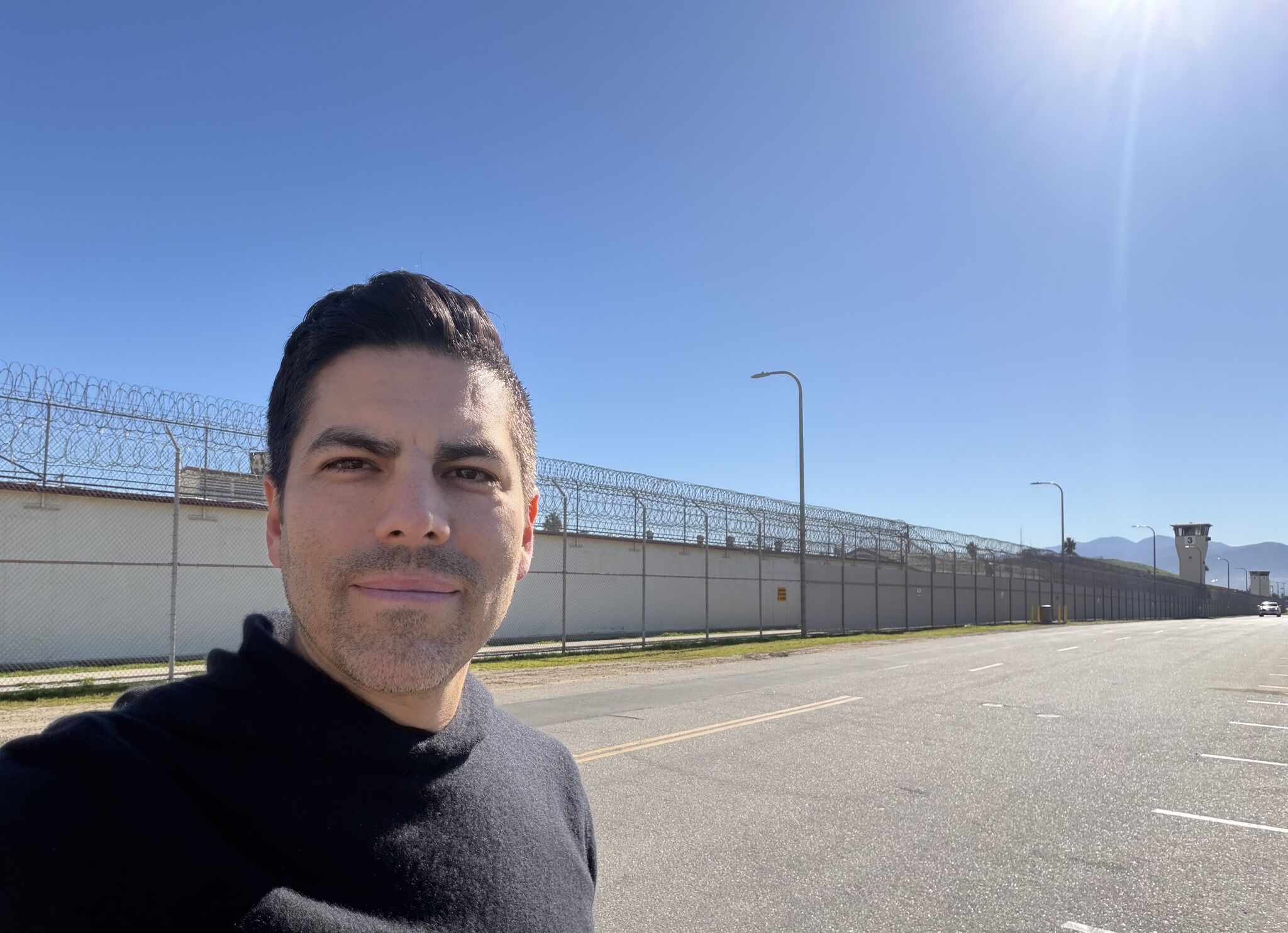
Prison education psychology focuses on how learning, dignity, and structure shape change. Yesterday, I taught my final Inside-Out class at Norco prison.
After eight years of walking through those gates, that was the last time. The facility is closing.
Because of that, I noticed two feelings at once.
Relief and Sadness Can Coexist
On one hand, I felt relief. A prison closure reflects a shrinking incarcerated population, and that matters. Fewer people behind bars is something worth acknowledging.
At the same time, I felt sadness. Not all closures are equal, and this particular prison closing carries weight for me.
Both feelings can exist together. Prison education psychology teaches us that complex emotions often do.
What This Program Made Possible
The program that Pitzer College built at Norco has been extraordinary. Through this prison education psychology program, students completed college courses, earned transferable credits, received time off their sentences, and—most notably—five cohorts of men earned full bachelor’s degrees while incarcerated.
This was not symbolic programming. Instead, it was real education with real expectations and real outcomes.
Because of that, the program changed my students. And it changed me too.
Teaching Inside a Prison
Over time, teaching inside a prison reshaped how I understand prison education psychology in practice. Access to education, structure, and belief changes how people see themselves. When learning is treated as legitimate, people rise to meet it.
As a result, classrooms inside prisons often hold more focus, effort, and care than people expect.
Walking Out for the Last Time
As I walked the long path from the classroom back to the security gate for the final time, tears blurred the edges of everything. That walk held eight years of conversations, growth, setbacks, laughter, grief, and resilience.
Ultimately, this work has been one of the true highlights of my career.
Not because it was easy—but because it mattered.
As a psychologist working with children, teens, and adults across Altadena, South Pasadena, La Cañada Flintridge, and San Marino, I see how prison education psychology intersects with mental health, identity, and long-term outcomes. Access to education and dignity plays a powerful role in supporting people navigating anxiety, depression, ADHD, OCD, PTSD, self-harm, and the lasting effects of incarceration.
If you’re interested in therapy, consultation, or training grounded in evidence-based care and social responsibility, you can learn more about our work or reach out through our contact page to connect with Youth & Family Institute. For more information on the broader impact of prison education, the Prison Policy Initiative offers research on incarceration and rehabilitation: https://www.prisonpolicy.org.