
Haircut Anxiety, Exposure Therapy, and Healing
Marcus Rodriguez PhD reflects on haircut anxiety, exposure therapy, avoidance, and learning to face an old fear with humor.

Marcus Rodriguez PhD reflects on haircut anxiety, exposure therapy, avoidance, and learning to face an old fear with humor.

High-stakes exams can bring intense pressure for students and families. Marcus Rodriguez, PhD, shares DBT-informed strategies for managing anxiety during exam season.

Cannabis and DBT skills can compete when cannabis becomes the fastest coping tool. Marcus Rodriguez PhD reflects on tracking use without shame.
DBT skills can feel slow next to cannabis. Marcus Rodriguez PhD explains fast relief, lasting change, and why skills improve with practice.

Acceptance does not always mean feeling calm. Sometimes it means noticing anxiety, making space for it, and planning with compassion.
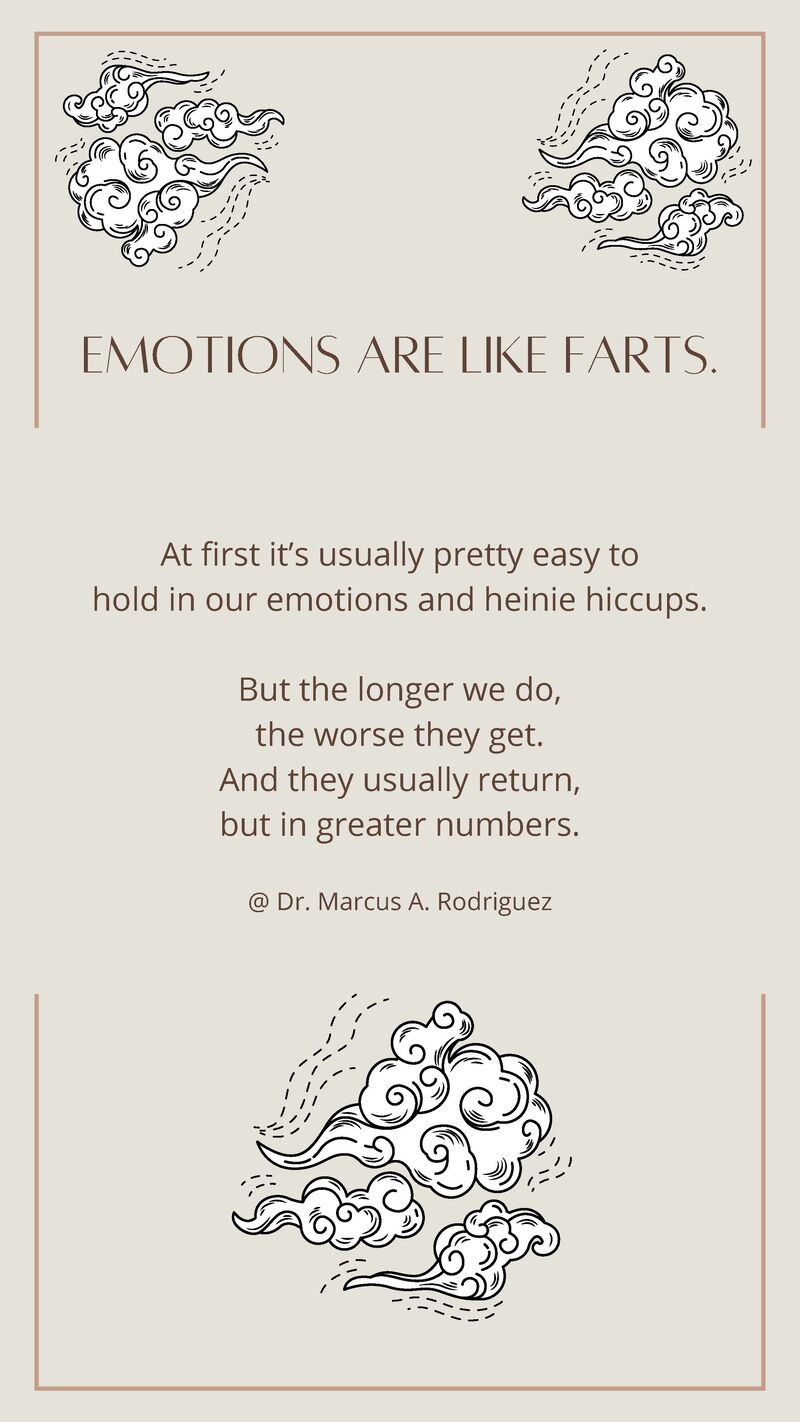
Cognitive defusion helps people step back from painful thoughts, shame, anxiety, and self-criticism without treating every thought as fact.

A personal reflection on family history, addiction, and how waiting to drink alcohol became an unexpected path to freedom and wellness.
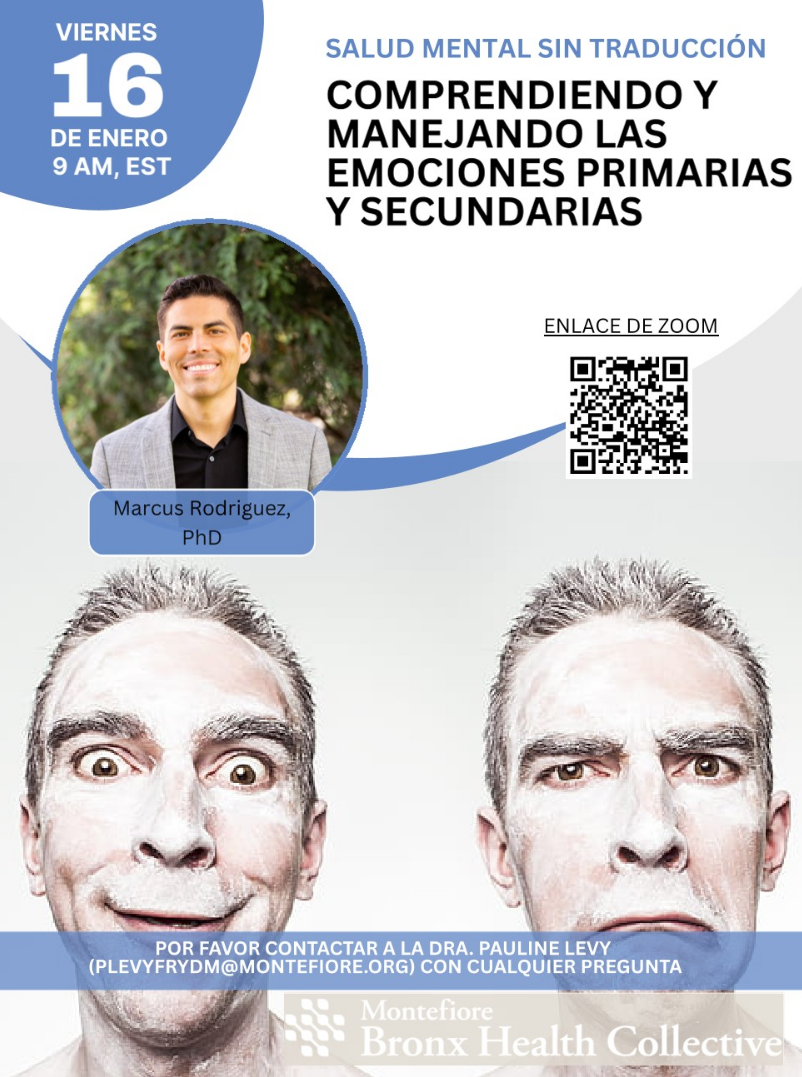
Primary and secondary emotions can look like “sadness turning into anger” in seconds. Here’s how DBT helps you slow it down and regulate.
Young adults today aren’t acting out—they’re overwhelmed. Here’s how anxiety, anger, and avoidance protect them from deeper helplessness, and what parents can do to help.

Sometimes DBT means stretching your own limits. Dr. Marcus Rodriguez shares a surprising therapy session with a middle school client—and her bearded dragon—illustrating how meeting clients where they are at makes treatment tolerable and effective.
Marcus Rodriguez PhD reflects on haircut anxiety, exposure therapy, avoidance, and learning to face an old fear with humor.
High-stakes exams can bring intense pressure for students and families. Marcus Rodriguez, PhD, shares DBT-informed strategies for managing anxiety during exam season.
Cannabis and DBT skills can compete when cannabis becomes the fastest coping tool. Marcus Rodriguez PhD reflects on tracking use without shame.
DBT skills can feel slow next to cannabis. Marcus Rodriguez PhD explains fast relief, lasting change, and why skills improve with practice.
Acceptance does not always mean feeling calm. Sometimes it means noticing anxiety, making space for it, and planning with compassion.
Cognitive defusion helps people step back from painful thoughts, shame, anxiety, and self-criticism without treating every thought as fact.
A personal reflection on family history, addiction, and how waiting to drink alcohol became an unexpected path to freedom and wellness.
Primary and secondary emotions can look like “sadness turning into anger” in seconds. Here’s how DBT helps you slow it down and regulate.
Young adults today aren’t acting out—they’re overwhelmed. Here’s how anxiety, anger, and avoidance protect them from deeper helplessness, and what parents can do to help.
Sometimes DBT means stretching your own limits. Dr. Marcus Rodriguez shares a surprising therapy session with a middle school client—and her bearded dragon—illustrating how meeting clients where they are at makes treatment tolerable and effective.