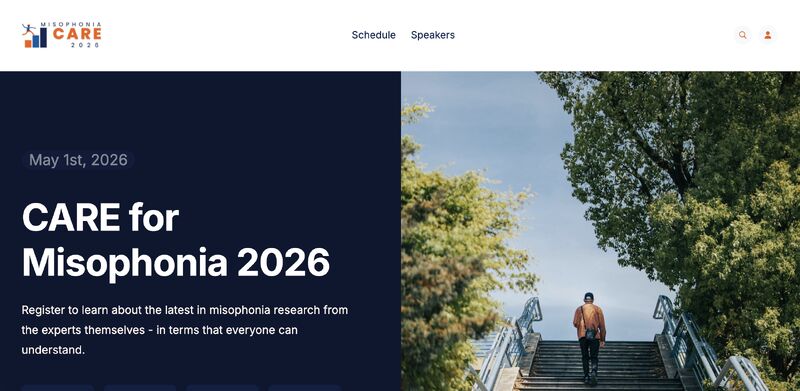
CARE for Misophonia 2026 is a free online symposium for people who want to better understand sound sensitivity, emotional distress, and current research in plain language.
You know someone with misophonia. Every therapist should know what it is because it can be prevalent, disabling, and easy to miss.
Growing up, the two or three gnarliest fights I had with my older brother were over chewing and slurping sounds that made me feel like I was going to lose my mind.
If that sounds like you, someone you love, or a client you are working with, this event is a chance to deepen your understanding without wading through dense journals.
What Therapists Should Notice
Misophonia involves intense reactions to specific sounds, often everyday sounds like chewing, slurping, tapping, sniffing, or repetitive mouth noises.
For some people, these sounds are not merely annoying. Instead, they can trigger anger, panic, disgust, distress, shame, avoidance, and conflict with people they care about.
That matters clinically.
Sound sensitivity can affect relationships, school, work, family meals, and daily routines. It can also be misunderstood as rudeness, irritability, oppositional behavior, or “just being sensitive.”
CARE for Misophonia 2026
On May 1, my mentor Zach Rosenthal and the Duke Center for Misophonia and Emotion Regulation are co-hosting CARE for Misophonia Day, a free online symposium.
CARE stands for Conversations About Research for Everyone.
The goal is to make current research easier to understand. That matters because many people with sound sensitivity, and many clinicians treating them, need practical information that does not require digging through academic journals.
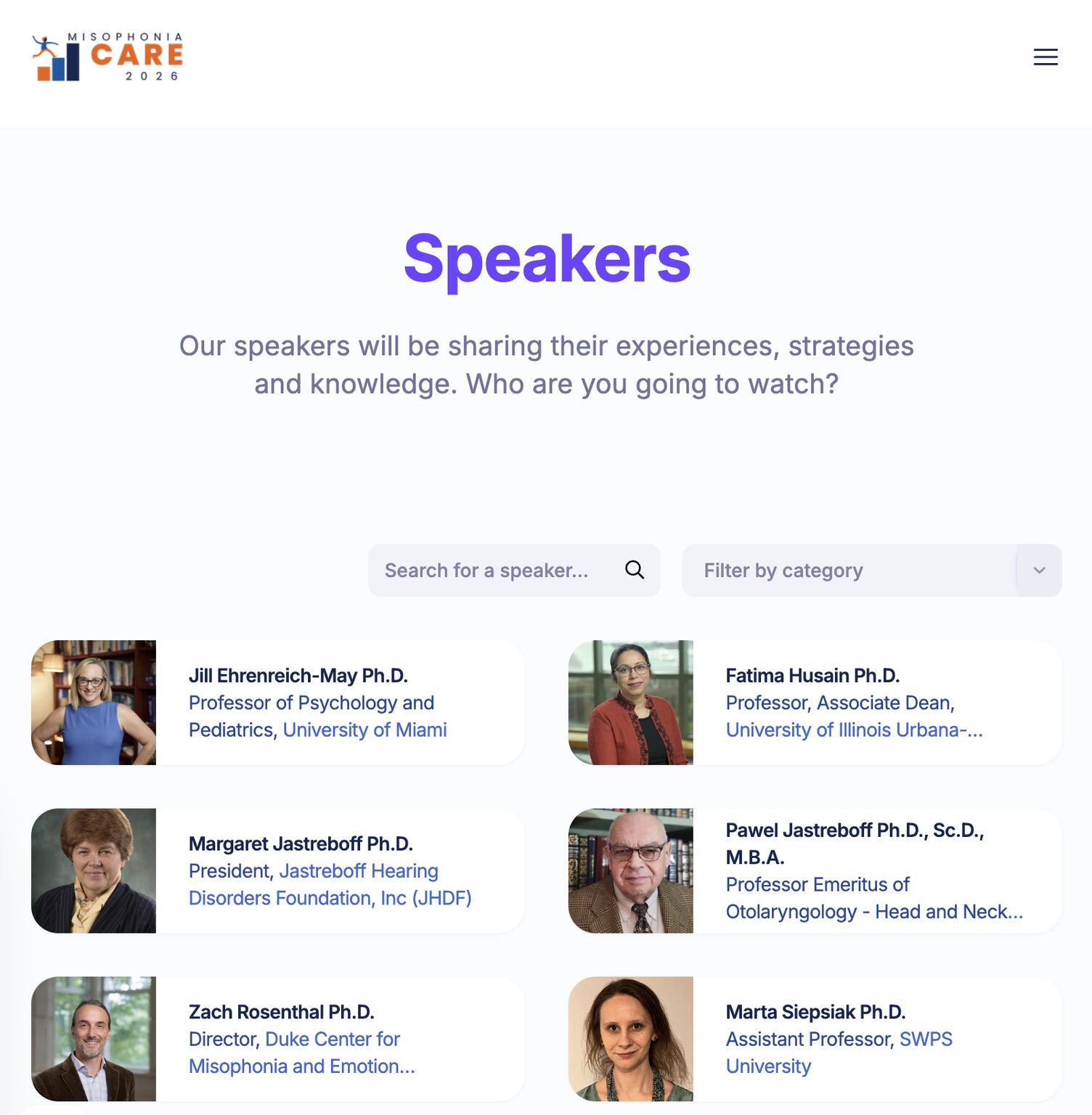
Registration: https://www.misophonia.care
Cost: Free
To learn more about the Duke Center for Misophonia and Emotion Regulation, visit: https://psychiatry.duke.edu/duke-center-misophonia-and-emotion-regulation
Why This Can Be Easy to Miss
A client may not come into therapy and name the problem directly.
Instead, they may say they cannot tolerate eating sounds. They may avoid family meals. They may feel rage when someone chews, breathes, types, or taps. They may also feel ashamed because their reaction seems “too big.”
Without the right framework, the problem may be mislabeled.
Clinicians may focus only on anger, anxiety, family conflict, sensory sensitivity, or avoidance. Those pieces can all matter. However, this diagnosis gives clinicians a more specific way to understand the pattern.
Sounds, Shame, and Family Conflict
Sound-triggered distress can create painful interpersonal cycles.
One person makes a sound without realizing how intense it feels to someone else. The affected person feels trapped, flooded, or enraged. Then they may leave, shut down, snap, criticize, or avoid future situations.
Afterward, shame can follow.
The person may think, “Why am I like this?” Family members may think, “Why are they so difficult?” Over time, everyone can feel confused, hurt, and defensive.
That is why education matters.
When families and clinicians understand the pattern, they can respond with more clarity and less blame.
Learning Without Dense Journals
CARE for Misophonia 2026 is a good opportunity for therapists, families, educators, and people with sound sensitivity to hear from experts in clear language.
This topic deserves more recognition.
People who struggle with it deserve to be understood.
And therapists should be prepared to recognize it when it shows up in the room.
At YFI, we support youth, young adults, adults, and families navigating anxiety, OCD, PTSD, depression, ADHD, emotion dysregulation, sensory sensitivity, family stress, avoidance, self-harm, and suicide risk. Our team provides evidence-based care, including DBT, CBT-informed treatment, parent coaching, skills training, phone coaching, and coordinated support when clients and families need more help. Learn more about our DBT services here: https://youthandfamilyinstitute.com/dbt/
For families in Pasadena, San Marino, and South Pasadena, YFI provides evidence-based care with warmth, clarity, and respect. To learn more or connect with our team, please visit our contact page: https://youthandfamilyinstitute.com/contact/