
Teen Boys Mental Health: Finding the Right Fit
Teen boys and young men struggling with self-harm, suicidal thoughts, aggression, and impulsivity are not treatment resistant. They may need the right fit.

Teen boys and young men struggling with self-harm, suicidal thoughts, aggression, and impulsivity are not treatment resistant. They may need the right fit.
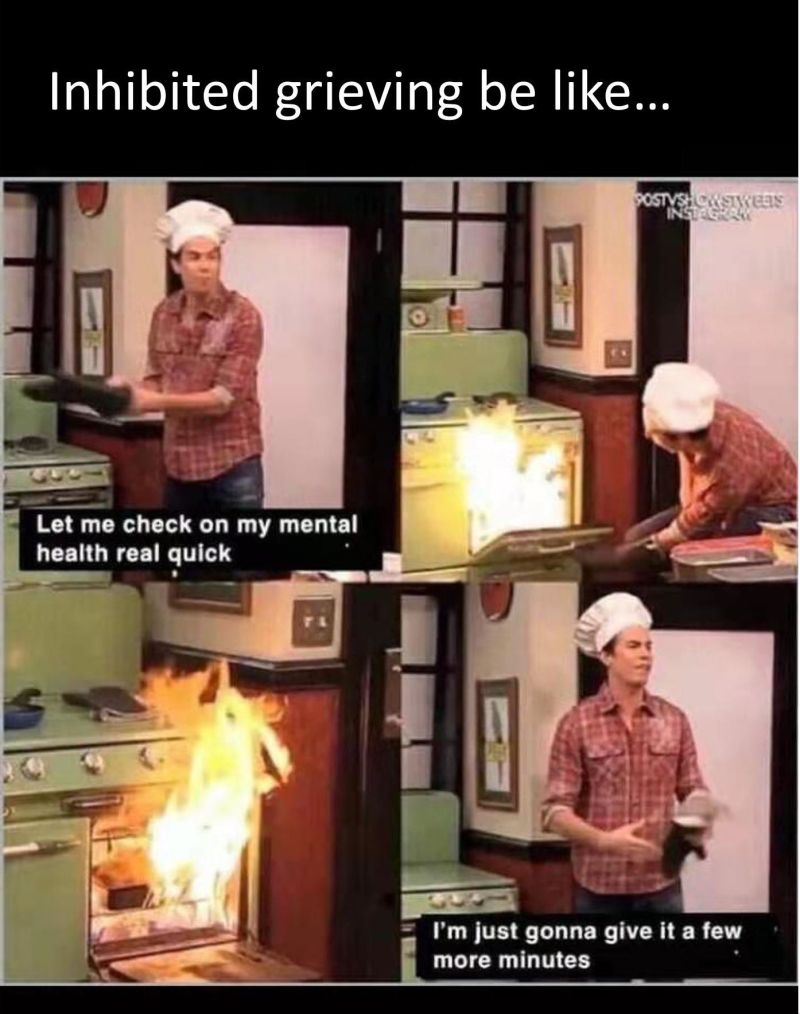
Inhibited grieving and unrelenting crises can maintain each other in DBT. Marcus Rodriguez PhD explains how unresolved grief can fuel repeated crises.
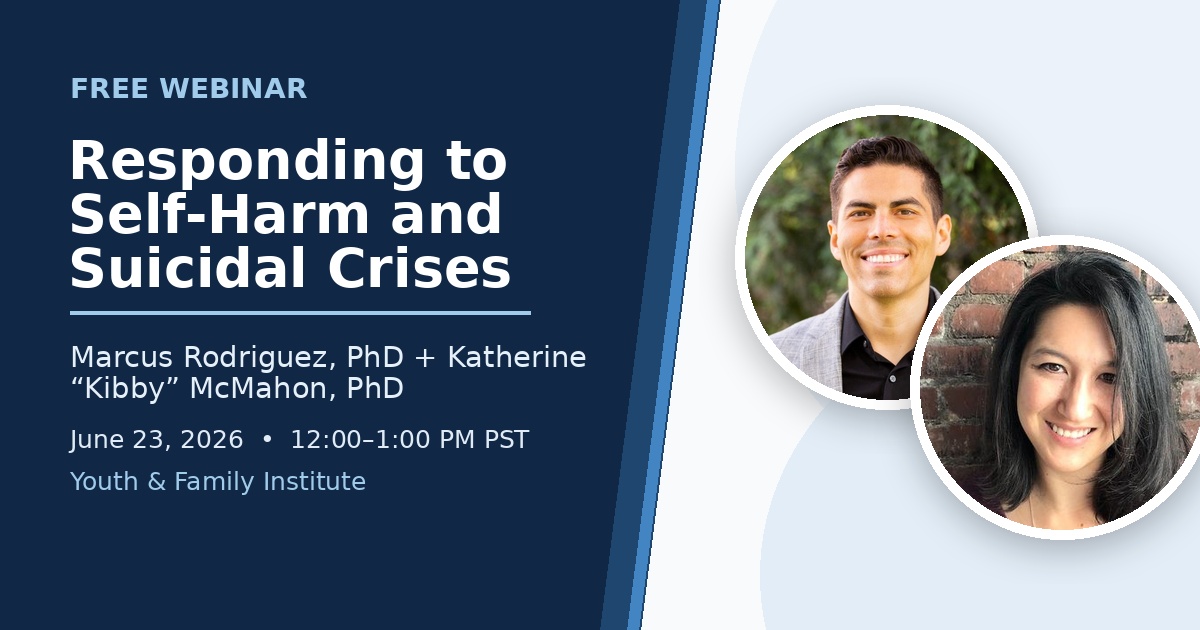
Marcus Rodriguez PhD and Katherine “Kibby” McMahon PhD co-host a free webinar on responding to self-harm and suicidal crises.
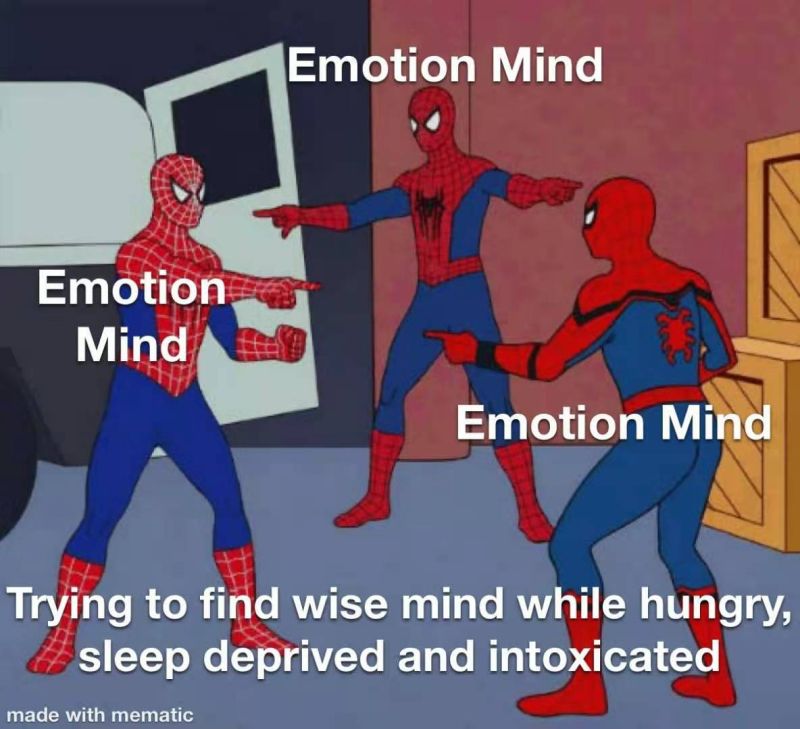
PLEASERS skills build on the DBT PLEASE skill by adding liquids, routine, and sensory regulation to reduce vulnerability to Emotion Mind.

YFI celebrates Julia Xiao-Rodriguez for passing the national exam to become a licensed clinical counselor.
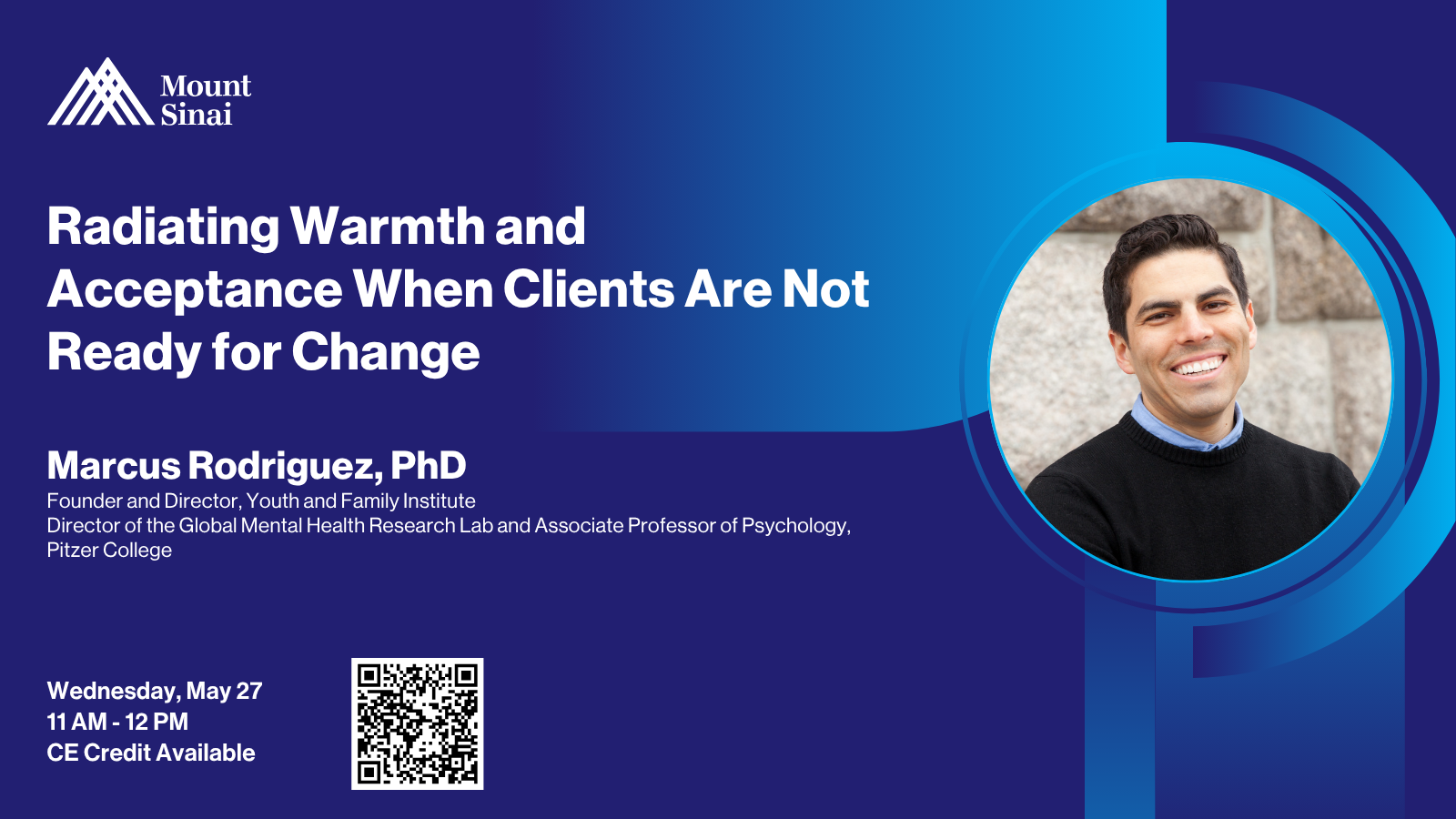
Not every client arrives ready for change. Marcus Rodriguez, PhD, shares how clinicians can stay warm, effective, and grounded when clients feel stuck.

Marcus Rodriguez PhD explains the STOP skill in DBT as a clutch for shifting into Wise Mind and reducing impulsive, anger-driven responses.
Acceptance does not always mean feeling calm. Sometimes it means noticing anxiety, making space for it, and planning with compassion.
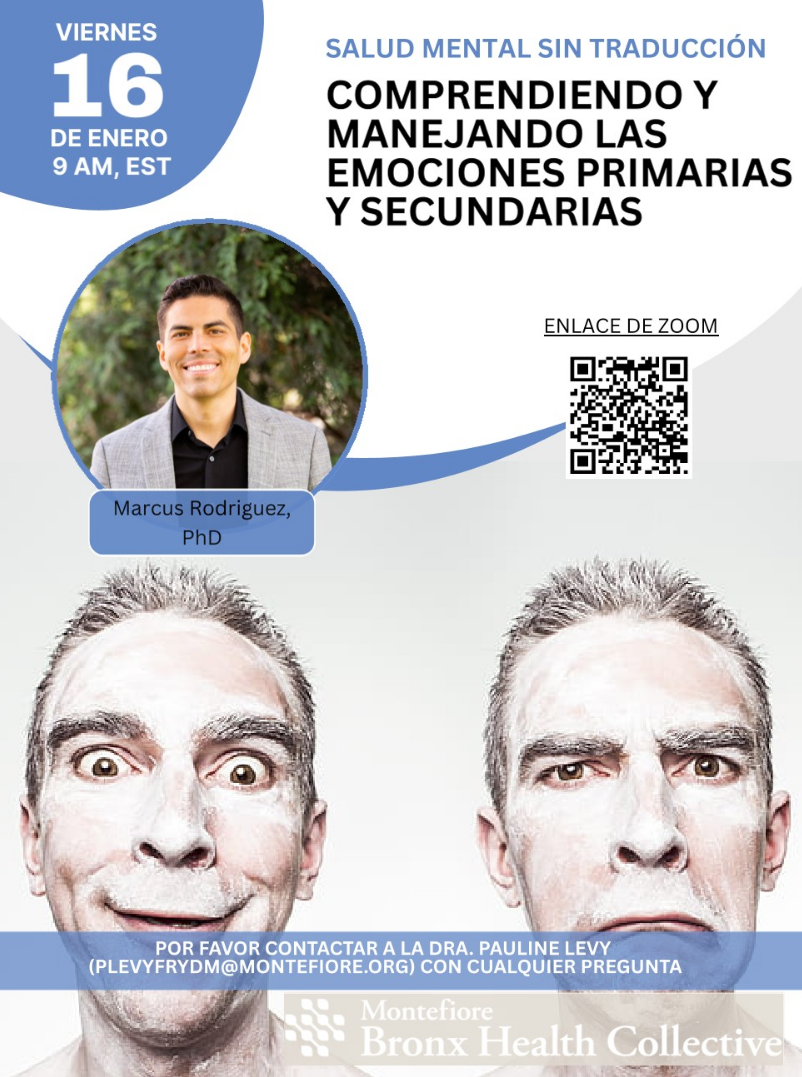
Primary and secondary emotions can look like “sadness turning into anger” in seconds. Here’s how DBT helps you slow it down and regulate.
Young adults today aren’t acting out—they’re overwhelmed. Here’s how anxiety, anger, and avoidance protect them from deeper helplessness, and what parents can do to help.
Teen boys and young men struggling with self-harm, suicidal thoughts, aggression, and impulsivity are not treatment resistant. They may need the right fit.
Inhibited grieving and unrelenting crises can maintain each other in DBT. Marcus Rodriguez PhD explains how unresolved grief can fuel repeated crises.
Marcus Rodriguez PhD and Katherine “Kibby” McMahon PhD co-host a free webinar on responding to self-harm and suicidal crises.
PLEASERS skills build on the DBT PLEASE skill by adding liquids, routine, and sensory regulation to reduce vulnerability to Emotion Mind.
YFI celebrates Julia Xiao-Rodriguez for passing the national exam to become a licensed clinical counselor.
Not every client arrives ready for change. Marcus Rodriguez, PhD, shares how clinicians can stay warm, effective, and grounded when clients feel stuck.
Marcus Rodriguez PhD explains the STOP skill in DBT as a clutch for shifting into Wise Mind and reducing impulsive, anger-driven responses.
Acceptance does not always mean feeling calm. Sometimes it means noticing anxiety, making space for it, and planning with compassion.
Primary and secondary emotions can look like “sadness turning into anger” in seconds. Here’s how DBT helps you slow it down and regulate.
Young adults today aren’t acting out—they’re overwhelmed. Here’s how anxiety, anger, and avoidance protect them from deeper helplessness, and what parents can do to help.