
DBT training matters because the most complex clients need therapists who are willing to stay, learn, and build real skill.
Kaylene Yee and Oliver Dean graduated from Pitzer College this weekend. What they are doing next is why I got into this field.
They both plan to pursue careers in clinical psychology, specifically Dialectical Behavior Therapy, or DBT. Next, they will be completing a post-baccalaureate fellowship at McLean Hospital, the same place I completed my clinical training.
DBT Training After Pitzer College
I always feel proud when my students choose the same path I did.
Most faculty feel this way, I think, because we believe the work we are doing is important. When students move toward clinical psychology, DBT training, and evidence-based care, it feels like the work continues through them.
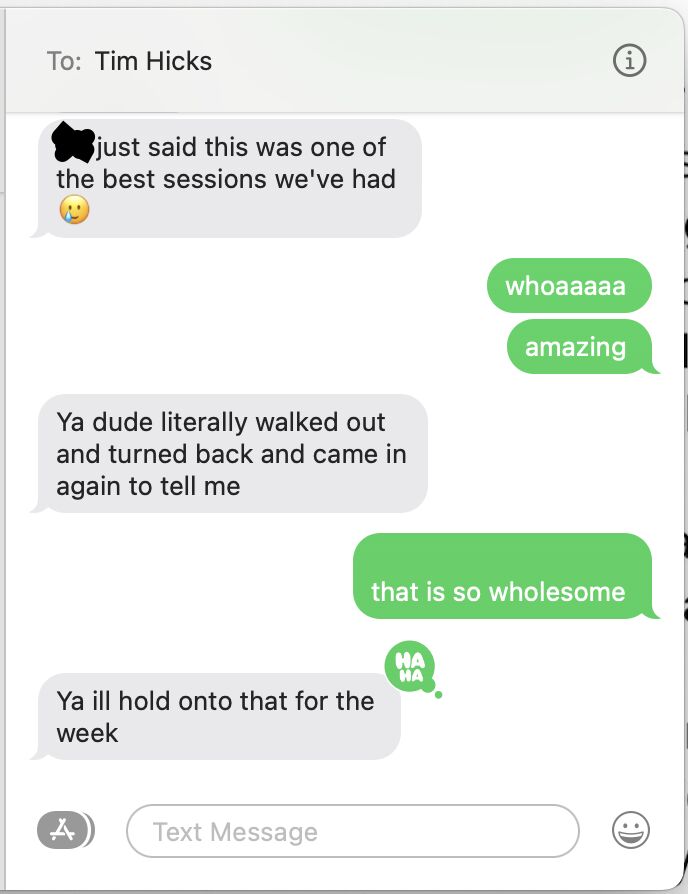
Kaylene and Oliver have been my advisees, students, and friends for four years.
I know they will be excellent at whatever they choose. Still, I feel especially hopeful that they are choosing this path.
To learn more about Pitzer College, visit: https://www.pitzer.edu/
Why DBT Training Matters
Here is why I think DBT training matters.
Marsha Linehan, the developer of DBT, observed that the best-trained therapists often avoid the most complex clients. These may include clients with chronic trauma, personality disorders, severe emotion dysregulation, and life-threatening behaviors.
That avoidance is understandable.
This work can be hard. It requires structure, consultation, humility, courage, and repeated practice. However, those are also the reasons strong training matters so much.
McLean Hospital provides psychiatric care, education, and research, and it is the largest psychiatric teaching hospital of Harvard Medical School. To learn more about McLean Hospital, visit: https://www.mcleanhospital.org/about
Complex Clients Need Skilled Therapists
Therapists often get paid the same rate whether a client has a mild, single diagnosis or multiple severe challenges.
As a result, the system does not always reward clinicians for taking on the most complex work.
But clients with chronic trauma, suicidal behavior, self-harm, personality disorders, and emotion dysregulation deserve highly trained therapists. They deserve clinicians who are supported, supervised, and willing to keep learning.
That is why I feel so hopeful when students choose this field.
From Students to Future Colleagues
Like the students who went before them, I will miss having Kaylene and Oliver on campus.
At the same time, I look forward to having them as colleagues one day.
Watching students grow into clinicians is one of the most meaningful parts of teaching. It reminds me that mentorship is not only about what happens in a classroom. It is also about helping students imagine the kind of work they want to give their lives to.
I am grateful for Kaylene and Oliver, proud of what they have already done, and excited for the clinicians they are becoming.
At YFI, we support youth, young adults, adults, and families navigating anxiety, depression, OCD, PTSD, self-harm, suicide risk, ADHD, emotion dysregulation, family stress, and complex clinical needs. Our team provides comprehensive DBT, parent coaching, skills training, phone coaching, and coordinated care for clients and families who need more support. Learn more about our DBT services here: https://youthandfamilyinstitute.com/dbt/
For families and clinicians in Beverly Hills, Brentwood, Sawtelle, Santa Monica, Mar Vista, Venice, South Pasadena, La Cañada Flintridge, San Marino, and Altadena, YFI provides evidence-based care with warmth, clarity, and respect. To learn more or connect with our team, please visit our contact page: https://youthandfamilyinstitute.com/contact/