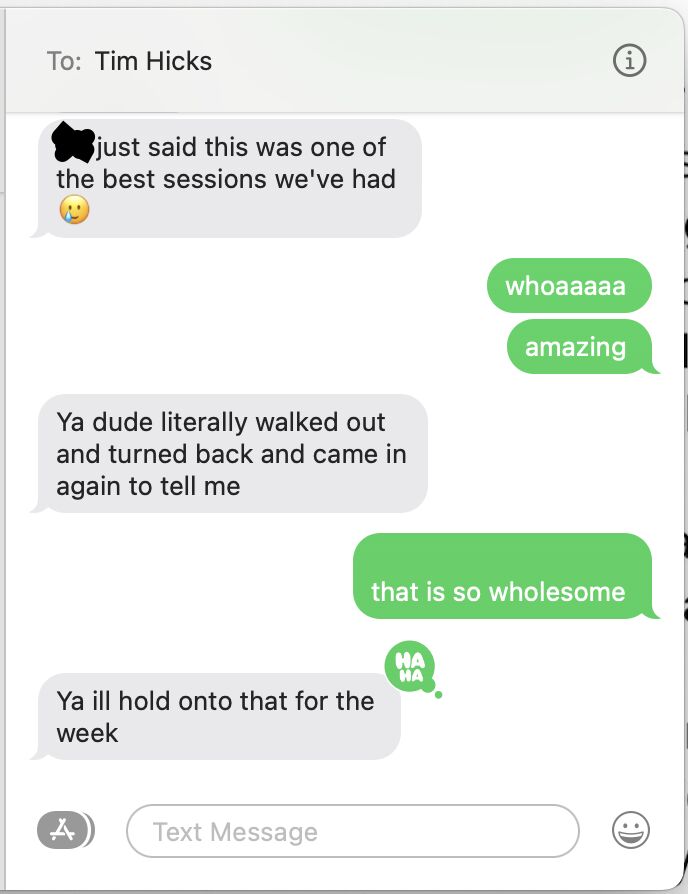
Teen Boys Mental Health: Finding the Right Fit
Teen boys and young men struggling with self-harm, suicidal thoughts, aggression, and impulsivity are not treatment resistant. They may need the right fit.

Teen boys and young men struggling with self-harm, suicidal thoughts, aggression, and impulsivity are not treatment resistant. They may need the right fit.
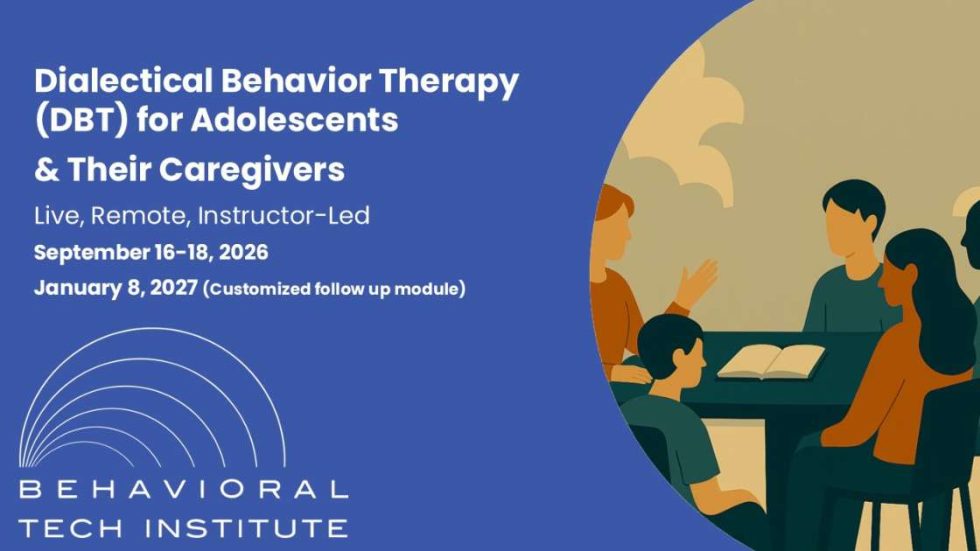
Marcus Rodriguez PhD is co-teaching DBT for Adolescents and Their Caregivers with Adam Payne PhD through Behavioral Tech Institute.
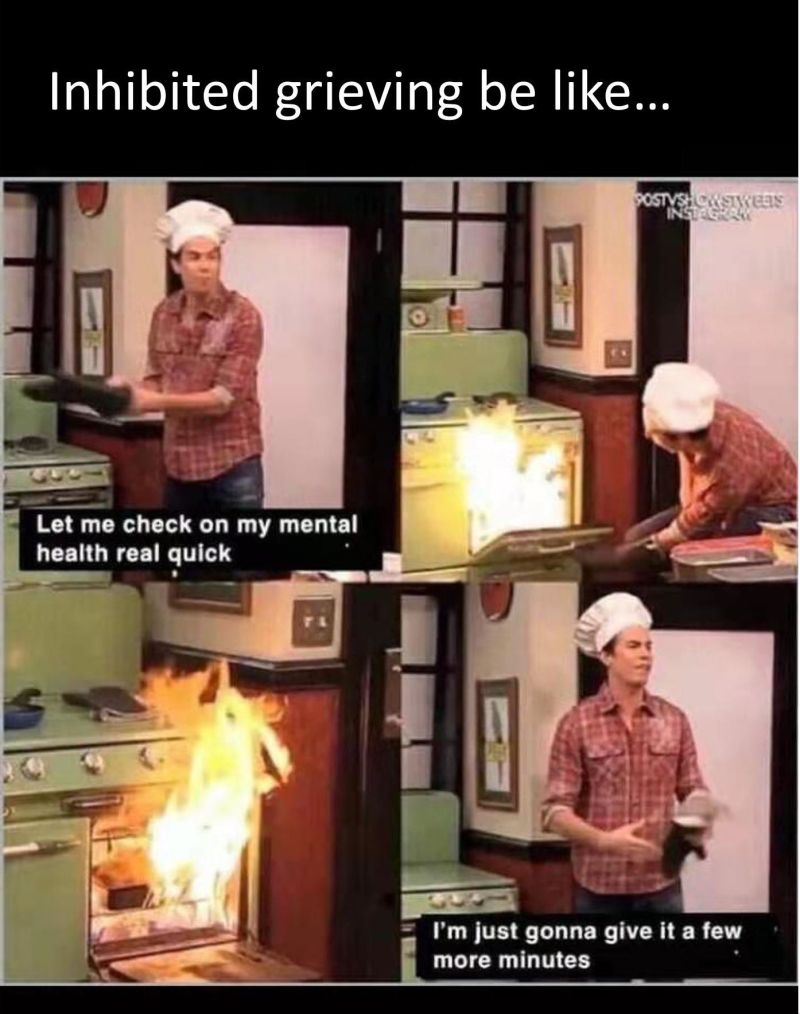
Inhibited grieving and unrelenting crises can maintain each other in DBT. Marcus Rodriguez PhD explains how unresolved grief can fuel repeated crises.
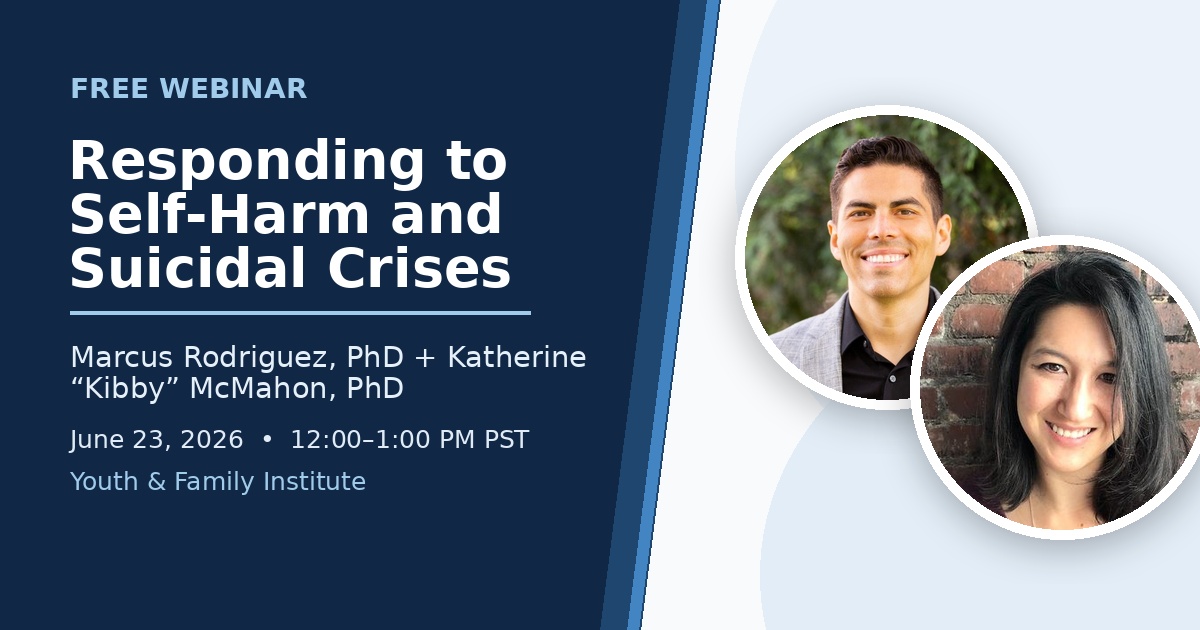
Marcus Rodriguez PhD and Katherine “Kibby” McMahon PhD co-host a free webinar on responding to self-harm and suicidal crises.

Marcus Rodriguez PhD reflects on DBT parent coaching in China, new BMC Psychology research, and returning to Nanjing Brain Hospital.
Marcus Rodriguez PhD reflects on ADHD, hustle culture, burnout, and learning to pursue values-based goals with more sustainability.

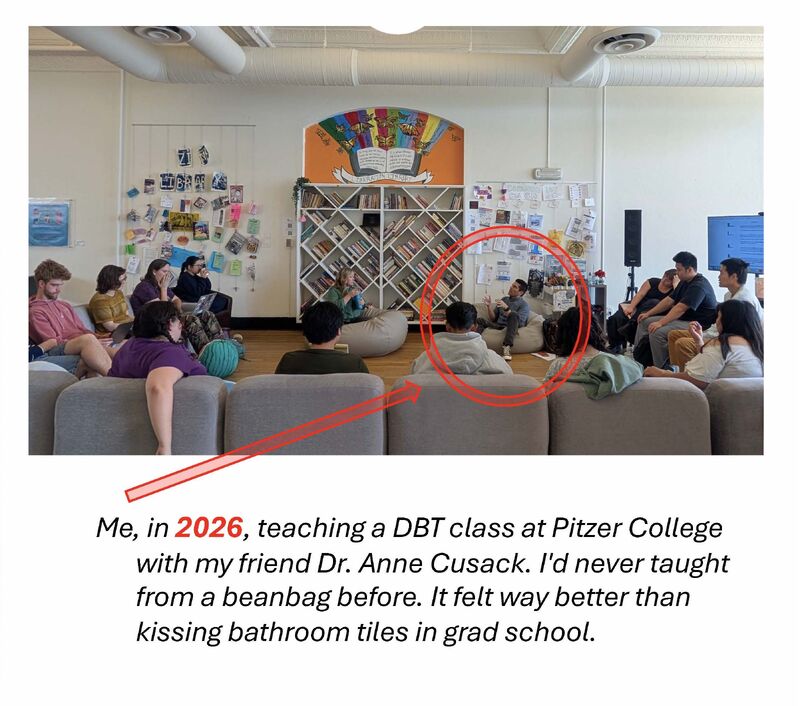
Marcus Rodriguez PhD reflects on DBT training, Pitzer College graduates Kaylene Yee and Oliver Dean, and the next generation of clinical psychologists.
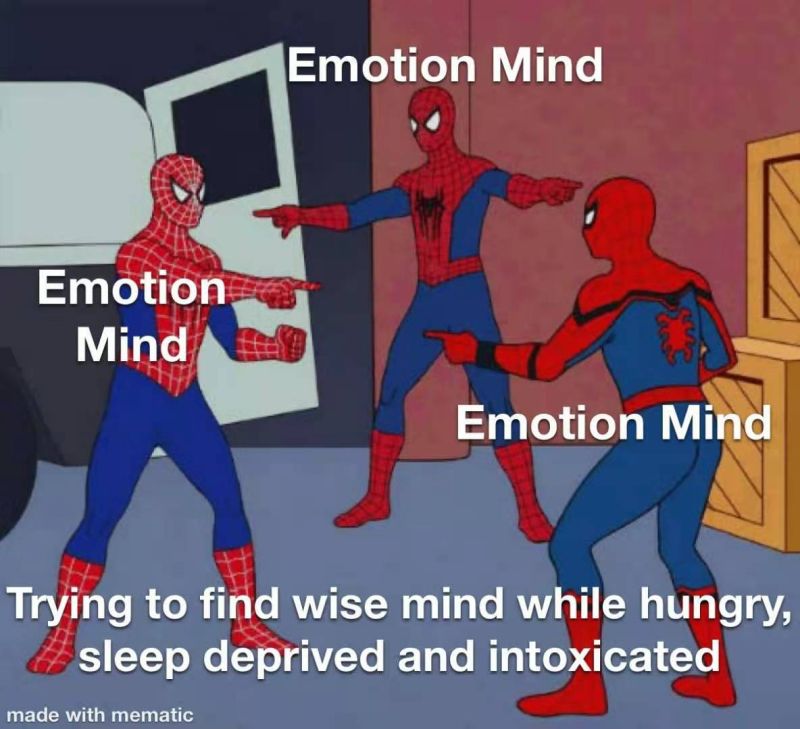
PLEASERS skills build on the DBT PLEASE skill by adding liquids, routine, and sensory regulation to reduce vulnerability to Emotion Mind.
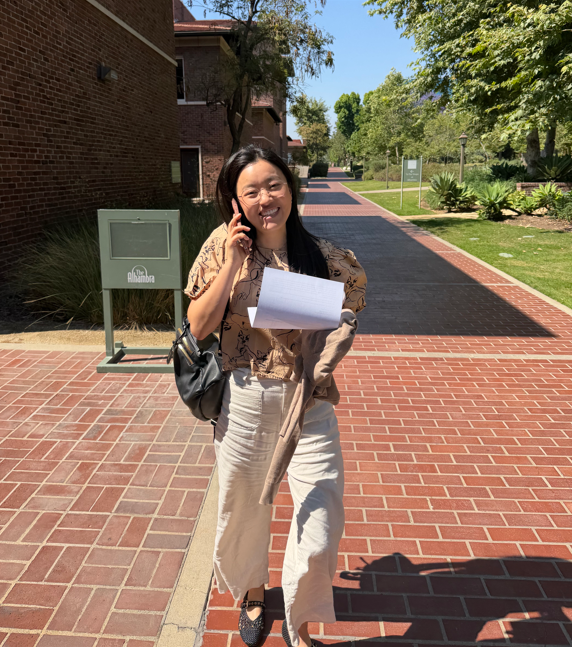
YFI celebrates Julia Xiao-Rodriguez for passing the national exam to become a licensed clinical counselor.
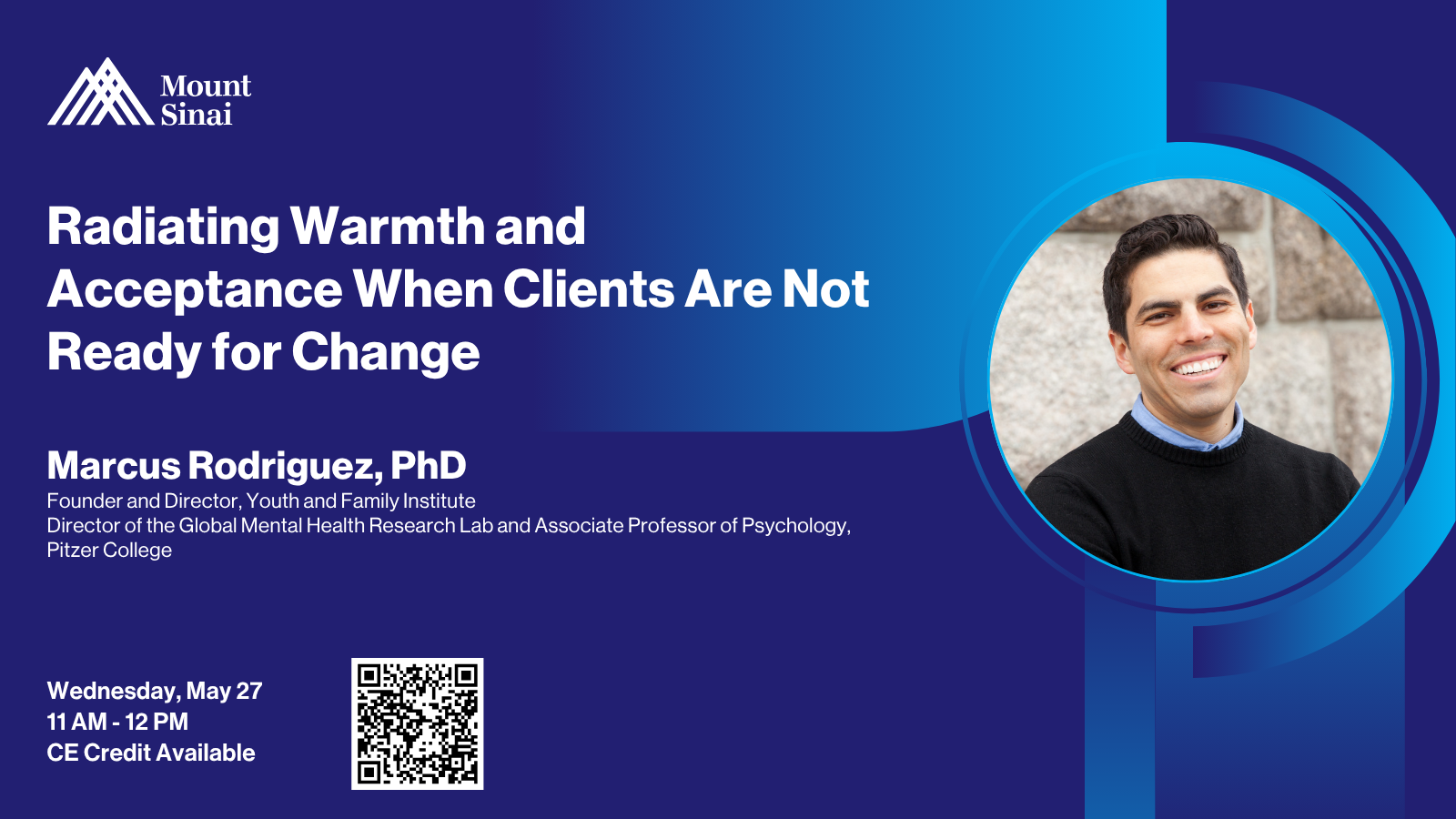
Not every client arrives ready for change. Marcus Rodriguez, PhD, shares how clinicians can stay warm, effective, and grounded when clients feel stuck.
Teen boys and young men struggling with self-harm, suicidal thoughts, aggression, and impulsivity are not treatment resistant. They may need the right fit.
Marcus Rodriguez PhD is co-teaching DBT for Adolescents and Their Caregivers with Adam Payne PhD through Behavioral Tech Institute.
Inhibited grieving and unrelenting crises can maintain each other in DBT. Marcus Rodriguez PhD explains how unresolved grief can fuel repeated crises.
Marcus Rodriguez PhD and Katherine “Kibby” McMahon PhD co-host a free webinar on responding to self-harm and suicidal crises.
Marcus Rodriguez PhD reflects on DBT parent coaching in China, new BMC Psychology research, and returning to Nanjing Brain Hospital.
Marcus Rodriguez PhD reflects on ADHD, hustle culture, burnout, and learning to pursue values-based goals with more sustainability.
Marcus Rodriguez PhD reflects on DBT training, Pitzer College graduates Kaylene Yee and Oliver Dean, and the next generation of clinical psychologists.
PLEASERS skills build on the DBT PLEASE skill by adding liquids, routine, and sensory regulation to reduce vulnerability to Emotion Mind.
YFI celebrates Julia Xiao-Rodriguez for passing the national exam to become a licensed clinical counselor.
Not every client arrives ready for change. Marcus Rodriguez, PhD, shares how clinicians can stay warm, effective, and grounded when clients feel stuck.